Compasses




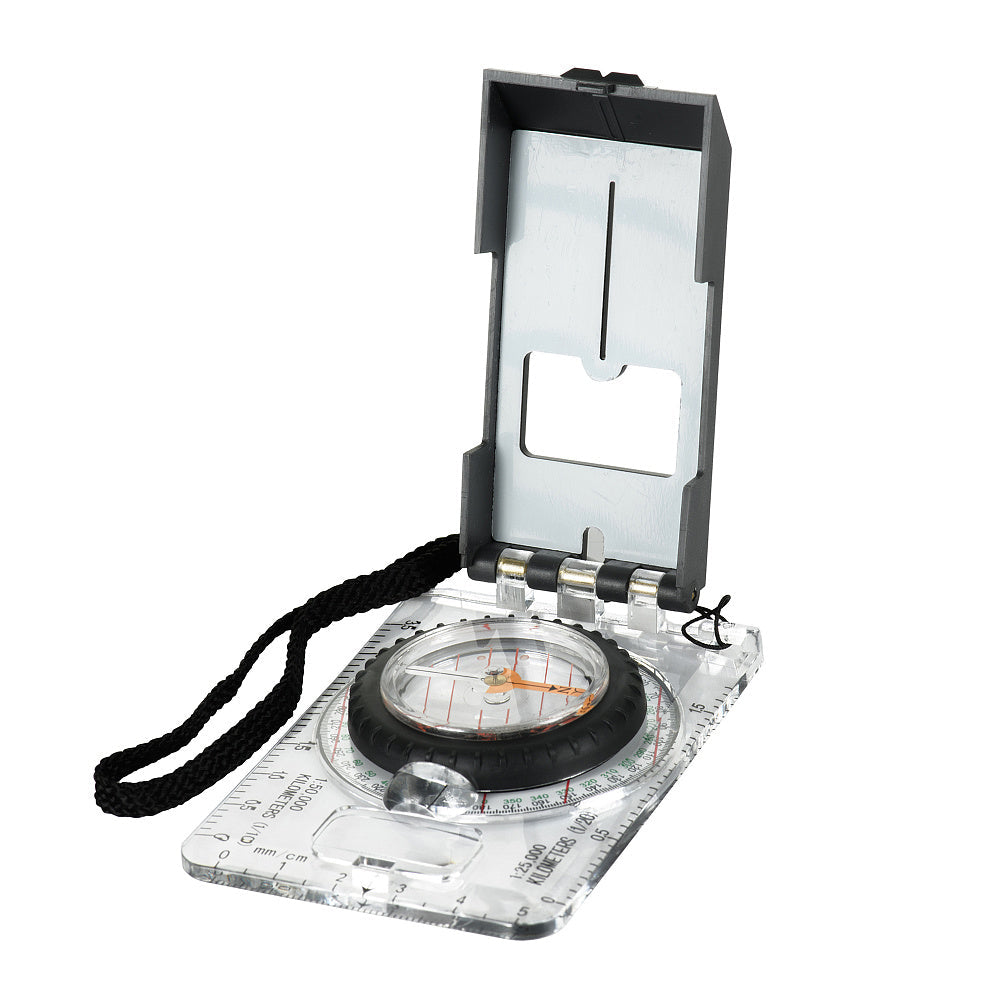

Military Compasses and Tactical Survival Compasses for Field and Outdoor Use

GPS fails. Batteries die. A magnetic compass does not. For military personnel, hunters, and outdoor professionals who operate without reliable signal or power, a mechanical compass is not a backup. When everything else stops, the compass still works.
Why a Mechanical Compass Matters in the Field
The needle points North because of magnetic interaction with the Earth, not because of a battery, a signal tower, or a satellite. Temperature, weather, and terrain do not change that. Add a map and you have everything needed for azimuth readings, bearing sighting, and distance calculation. Skills that remain critical in military operations today.
Standalone Military and Army Compasses
Precision map compasses are built for accurate azimuth reading and map work. A folding aluminum frame protects the dial and needle when not in use. A sighting eye allows accurate bearing readings on distant landmarks. A transparent base plate lets you work directly on a map without lifting the compass. Parallel lines assist with map orientation. A sighting mirror allows simultaneous target and dial viewing for the most accurate bearings. Select models include an integrated ruler for map calculations and a magnifying glass for reading fine map detail. A lanyard is included on select models for securing the compass during movement.
Survival Compasses and Paracord Bracelets
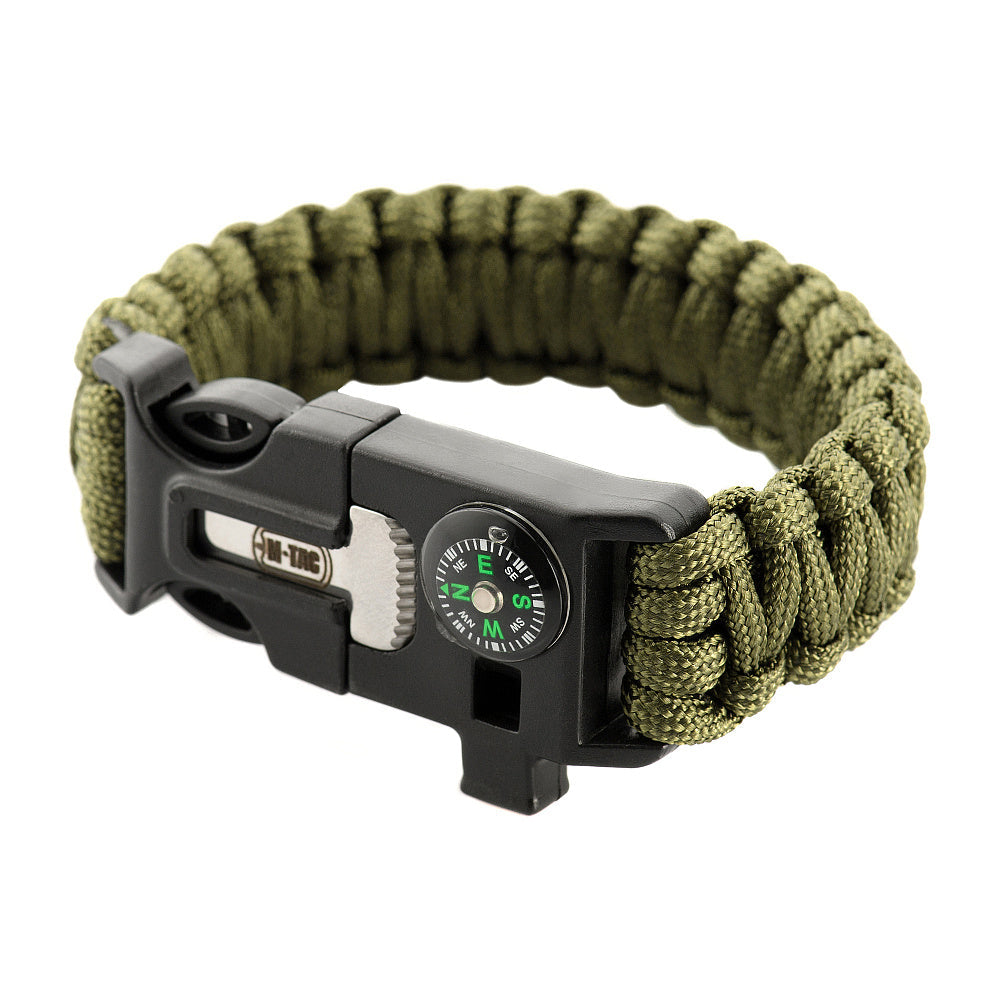
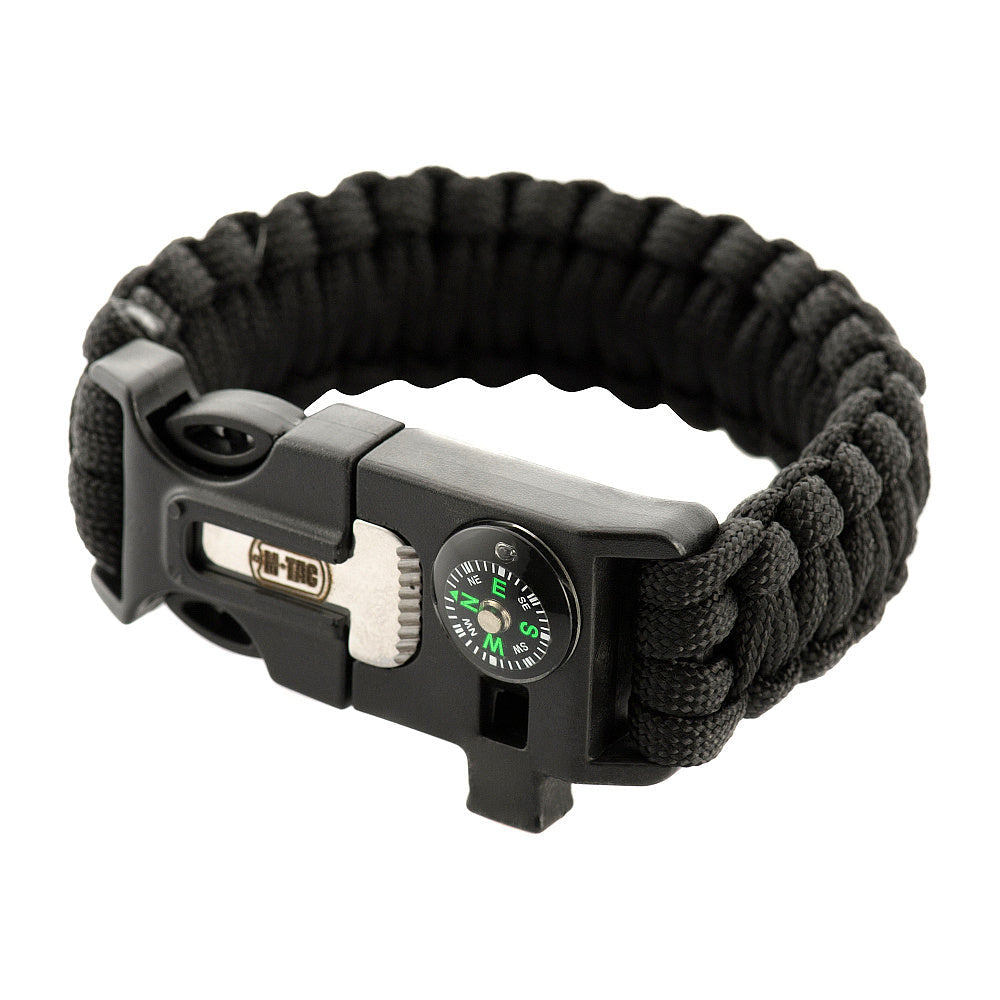
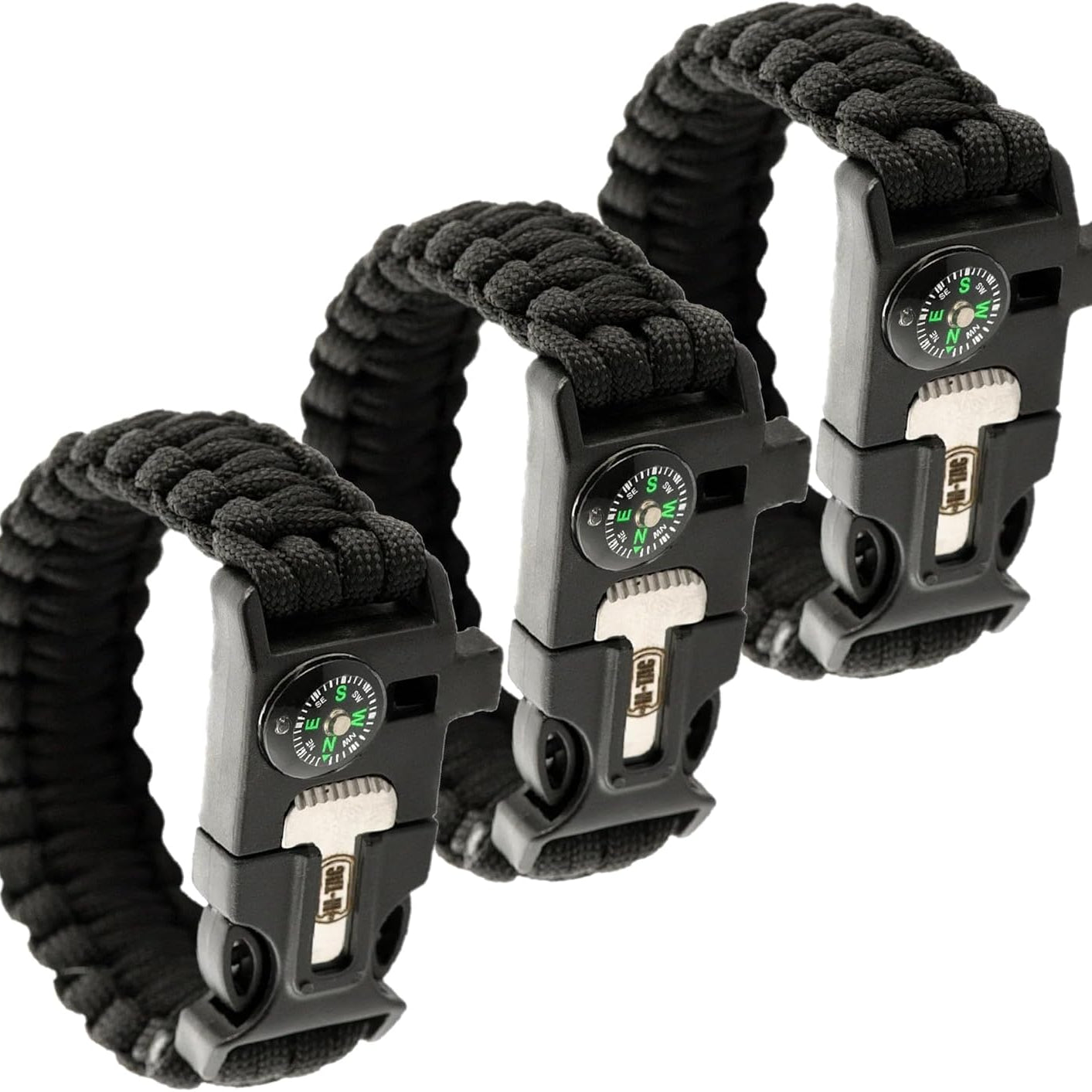
A survival paracord bracelet carries navigation, fire-starting, and signaling capability on the wrist without adding weight or bulk to the kit. The clasp integrates a compass for basic directional orientation, a ferrocerium fire starter that produces sparks in wet conditions when matches fail, and a whistle for distress signaling or deterring wildlife. The bracelet itself contains approximately 3 meters of nylon paracord rated to 200kg tensile strength. When unpacked, it becomes rope, lacing, field cordage, or improvised equipment.
Who Uses Military Compasses
Military personnel conducting land navigation in the field. Hunters and hikers who operate off marked trails in remote terrain. Outdoor professionals who need a reliable direction-finding tool that works without batteries or a signal. Anyone who carries a map and needs a compass that can be trusted to point North under any conditions.