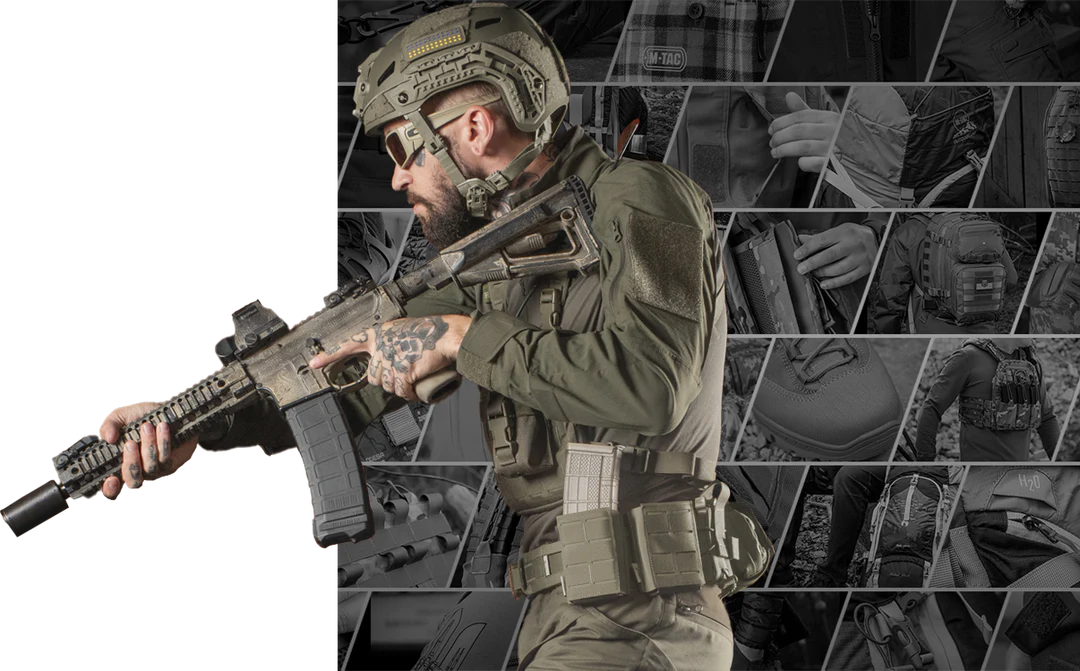
As a United States Marine who served from the late 90s to the post 9-11 era, I witnessed firsthand the evolution of military camouflage green. Woodland cammies were the original issue, but as the nation entered into the Global Wars on Terror (GWOT), digital camouflage was rolling out in full force. I even saw gumby green camouflage rain gear straight from Vietnam. When my unit deployed to Iraq in 2003, we were dressed in a mixture of woodland desert cammies, a little bit of digital and even combined OD green camo combat gear on top. What color is OD green? Olive green is a specific, yellowish-brown shade of green, while "green camouflage" refers broadly to any multi-tone pattern (like woodland or digital) designed to break up human outlines in nature. Solid olive is best for simple, dark-environment concealment, whereas camo is superior for active, multi-environment blending. The reality is somewhat nuanced and because it may be excessive to have unique camo for every possible environment, let’s talk more along the lines of a one size fits all camo.
How Camouflage Actually Works: The Science Behind It
The human brain is exceptionally gifted at pattern recognition. In fact, we tend to fill in the blanks with incomplete information in order to convince us that we saw what took in from a brief glance. If it looks like a human head and shoulders, our brain will tell us there is a human present, even if that is not the case. Camouflage attempts to disrupt this process with disruptive coloration. We see this in nature with a tiger’s stripes, leopard spots, and zebra striping.
Standard military camouflage olive color, sometimes known as army green camouflage, does not make an individual invisible. It merely robs the observer of the easy pattern recognition that our brains seek out. This is why contrast matters more than matching color to the exact terrain. There should be a blend of light areas, medium areas, and darker areas. If you are one solid color that exactly matches the terrain, the observer’s brain still stands a chance to recognize the shape of a human body.

Olive vs Green Camo: Which Works Where
You’ll notice when perusing our collection of camouflage, we offer more than one option for most products. That’s because ultimately, you know best where you intend to operate and the vegetation of this great nation varies wildly from sea to shining sea. If you will be operating during the lush summers of the Pacific Northwest, green is going to serve you best. If, however, you will be operating in the dryer inland Northwest east of the Cascade Mountains, olive camouflage is going to serve you better.
Just keep in mind that forests in most parts of the country rarely stay green year round. Dead leaves, brown grass, grey bark, dust, and mud may take your lush green environment and turn it into an environment best suited for olive. Remember, contrast is more important than color. If you want a universal pattern that will work in most places, an olive drab camo pattern will be the most universally accepted in most environments. Military green vs olive green is irrelevant in the grand scheme of things.
Full Gear Guide: Olive vs Green for Every Kit Category
If we survived as Marines in Iraq wearing a hodgepodge of camo patterns mixing everything from woodland to desert digitals, you can make it as well. However, consistency is better 10 times out of 10. It doesn’t matter whether that is plate holder, cammies, or medical bag, keeping the same pattern will best help disrupt the observer's ability to recognize patterns. Once again, that is why we offer most kit pieces in multicam color options.
Now, if the environment you plant to operate in requires more subtlety, you may want to go monotone. Camo patterns stick out in urban city environments not used to armed conflict. Camo draws attention, but a sleek single tone tactical bag will blend in better on the streets of New York or Seattle. There is no one pattern that fits every tactical gear environment. Just like choosing a firearm, choosing the gear with which you are the most comfortable and that you train with often will win the day when it matters most.
Seasonal Guide: Which Camo Wins by Season
That being said, if you are trying to crawl up on a target in the winters of Montana wearing either olive or green camo, you’re going to stick out like a sore thumb. The blanket white of a winter wonderland is a unique environment. Thankfully, most of the United States does not witness such conditions all year long. Even Alaska has some green summers.
If you need one pattern to serve you most of the year, olive muti patterns will serve you well. It will serve you well in the summer when the vegetation is green and in the fall/springs when the landscape is changing. Again, we sell multiple options because you know your environment better than we do. Miami has a drastically different climate than Missoula. One family has a drastically different tactical budget than another. The best gear is always the gear you can actually afford. We don’t care how you prepare your family for the day that most people dread, so long as you do.

A Summary Conclusion of the Best Camo Color
We hate to give you the typical lawyer answer when seeking which camo color is best, because that answer is “it depends.” That’s the honest truth. Olive or olive drab vs green patterns have more universal application, but there are some lush environments where camouflage green color will have you blending in like one of the local fauna. Pattern disruptions beat color ten times out of ten. That’s what matters most. When in doubt, look at what the professionals are using in your environment and copy. Keeping in mind that I went to war wearing three different versions of camo and somehow made it out on the other side alive. Od green vs ranger green doesn’t really matter when you’re wearing them all.