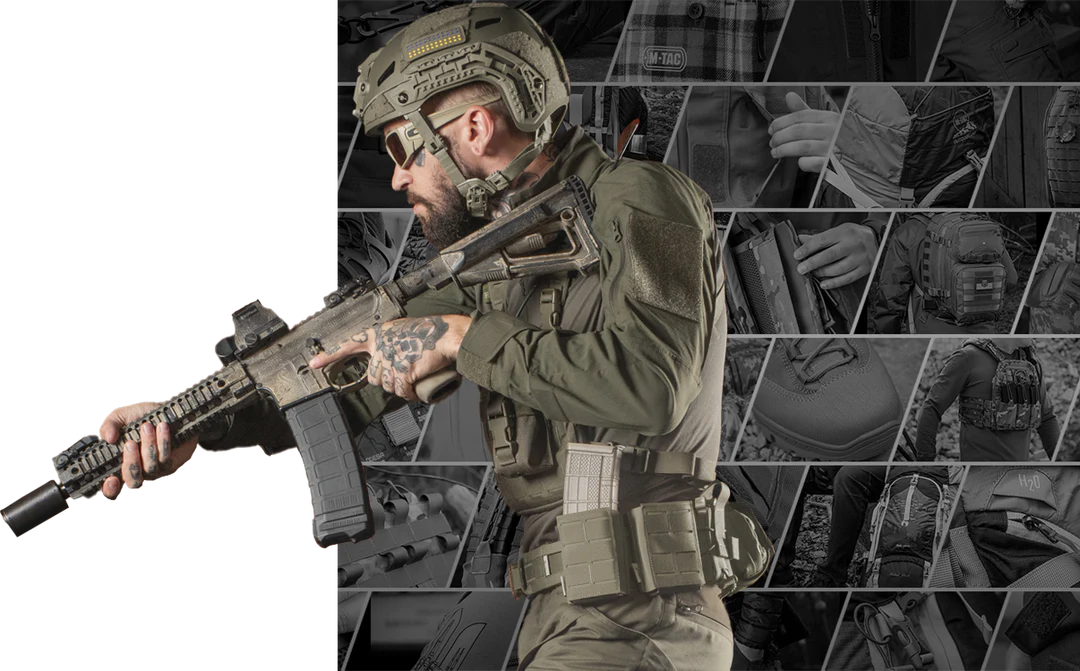
Combining a rucksack with a plate carrier is one of those challenges that separates a comfortable loadout from a punishing one. When done right, the two systems work together — providing protection, storage, and freedom of movement in any tactical or outdoor environment. When done wrong, they fight for space on your shoulders and quickly wear you down.
Using a rucksack with a plate carrier usually comes down to two options. You can wear a well-fitted backpack over your carrier and adjust the straps until it sits comfortably, or you can attach a tactical pack made for this purpose — one that locks in through MOLLE webbing, zipper panels, or quick-release clips. Either setup can work as long as the weight is balanced and the gear is easy to reach.
The goal isn’t just to bolt two pieces of gear together and hope for the best. You’re trying to build a setup that moves like one unit — where your body armor, ruck, and mag pouches all work in sync instead of pulling against each other. When everything sits right, you can move naturally, keep your balance, and grab what you need without thinking about it. That’s what makes the difference out on the trail, on the range, or anywhere you have to stay mobile and focused.

Why Combining a Rucksack and Plate Carrier Is Difficult
A plate carrier is designed to hold ballistic plates and protect your vital organs from gunfire and fragmentation. A rucksack or tactical backpack is meant for carrying equipment, ammunition, and medical supplies.
Each system performs well on its own, but when worn together, their shoulder straps, padding, and back panels overlap. This overlap causes pressure points, limits arm movement, and disrupts natural weight distribution.
If not properly configured, the pack pulls backward, adding strain to the lower back and shoulders. Over time, this reduces endurance and precision — especially in urban environments or fast-moving operations. The solution lies in proper adjustment, smart gear selection, and an understanding of how to distribute weight evenly across the upper body.
Step 1: Start with a Proper Plate Carrier Fit
Before adding any pack, make sure your plate carrier fits correctly. A carrier that’s too low or too tight will make any ruck setup uncomfortable and unstable.
- Plates should sit high enough to cover the upper chest and back without restricting breathing.
- The cummerbund should create a snug fit around the torso without cutting off circulation.
- Shoulder straps must align evenly to prevent tilt when extra gear is added.
A correctly fitted body armor system keeps the center of gravity in line with your posture, reducing fatigue when carrying heavy loads.
Step 2: Choose the Right Pack for the Job
Not every backpack plays nicely with a plate carrier. Regular hiking packs usually hang too low, dig into the back plate, and make it hard to move your shoulders the way you need to. What you want is a pack that’s built with tactical use in mind — something shaped to sit high, close, and stable when you’re wearing armor.
- Low-profile assault packs that sit close to the back panel.
- MOLLE-compatible packs that attach directly to the carrier.
- Padded shoulder straps shaped to avoid overlapping with armor straps.
- Quick-release systems for emergencies or vehicle operations.
- Integrated hydration systems with hose routing.
For short missions or quick patrols, a MOLLE-mounted assault pack or zip-on back panel keeps things simple and close to your body. It’s low-profile and easy to reach when you just need the basics. But if you’re carrying a heavier load or going out for hours, a frame pack with proper load-bearing straps will treat you better. It spreads the weight distribution across your hips and legs instead of dumping it all on your shoulders.
Step 3: Balance Your Load for Stability
How you pack your gear makes a huge difference once you start moving. Keep the heavy stuff — ammo, extra batteries, water — tight against your spine and high on your back. Don’t let it sag or hang off the rear of the pack; that’s what throws your balance off and wears you out fast. Lighter items like clothing, tools, or food can ride farther from your body.
As a general rule, keep the total pack weight around a quarter of your body weight — thirty percent at most if you’re conditioned for it. Cinch down the compression straps so the load doesn’t shift as you move. And if your ruck has a waist belt, use it. That small adjustment takes a surprising amount of strain off your shoulders.
When the weight’s balanced, your posture stays natural and your plate carrier doesn’t slide or lift when you crouch, sprint, or change direction. It’s one of those small things that separates a smooth setup from one that constantly fights against you.
Step 4: Manage Shoulder Straps and Pressure Points
Layering two sets of shoulder straps is where most discomfort begins. To reduce friction and strain:
- Route the ruck straps outside or above your plate carrier’s straps.
- Use adapters, strap keepers, or harness systems designed for plate carriers.
- Add padded sleeves or covers where straps overlap.
Make sure your adjustments don’t block your quick-release system, interfere with a dump pouch, or limit your ability to shoulder a weapon. Smooth, even tension across the shoulders is the key to enhanced mobility and stability.
Step 5: Maintain Quick Access to Gear
When you start layering equipment, how quickly you can reach things becomes just as important as how comfortable the setup feels. Your plate carrier should keep the essentials close — spare mags, your IFAK, radio, or anything you might need in a hurry. The ruck is for everything else: backup gear, clothing, food, or tools.
When you’re picking a pack, look for simple but practical design details — wide-opening zippers so you can see what’s inside, external pockets for the small stuff, and an interior layout that doesn’t turn into a black hole after ten minutes on the move.
You shouldn’t have to drop your bag just to grab a light, a tourniquet, or a sip from your hydration system. The right setup lets you get to what you need while you’re still standing or kneeling, without breaking your focus or your flow.
Step 6: Prioritize Mobility and Ventilation
Wearing body armor with a ruck adds weight and traps heat — there’s no way around it. The trick is to keep the setup light and let the air move wherever it can.
Look for packs that breathe a little. A mesh back panel or thin padding can make hours in the field feel bearable. Skip anything with a thick external frame that forces your shoulders forward — it only adds stiffness and limits how far you can move your arms.
When you put everything on, make sure there’s at least a bit of space for air to circulate between the plate carrier and the pack. That small gap can make a big difference, especially in humid weather. The better the airflow, the longer you can stay comfortable and keep your focus where it belongs.
Step 7: Test, Adjust, and Train
Once everything’s set up, don’t assume it’s good to go — put it to the test. Load the pack with real weight and move the way you actually would: walk a few miles, drop to a knee, climb over something, get up again. Pay attention to what shifts, what rubs, and what feels off.
Tighten or loosen straps until the weight feels like it’s part of your body instead of hanging off it. Do a few quick-release drills too, just to be sure you can ditch the pack fast if you ever have to.
You’ll learn more in ten minutes of movement than in an hour of adjusting straps at home. Comfort and speed go hand in hand — the smoother your gear moves with you, the quicker you can react when it counts.
Key Features to Look For
|
Feature |
Why It Matters |
|
MOLLE Webbing |
Lets you clip on extra pouches and tools wherever you need them, so the layout matches your style of work. |
|
Quick-Release Systems |
Give you the ability to drop the pack fast in an emergency or when climbing into vehicles. |
|
Padded Shoulder Straps |
Help spread the load and keep your shoulders from going numb on long movements. |
|
Hydration Systems |
Make it easy to stay hydrated without stopping or taking the pack off. |
|
Reinforced Back Panel |
Keeps the pack’s shape and supports heavy gear like radios or extra ammo. |
|
Adjustable Waist and Chest Belts |
Balance the weight distribution and keep the pack from shifting while you move. |
|
Low-Profile Design |
Cuts down on snagging and keeps you agile in tight or urban environments. |
Common Mistakes to Avoid
Even a good setup can turn miserable if you miss a few small details. A lot of people start out by throwing a regular hiking pack over their body armor, and it almost never works. Those packs aren’t shaped for plates and usually ride too low or pull backward.
Another common problem is stacking thick shoulder straps right on top of each other. It kills circulation, limits movement, and makes aiming or climbing awkward. Keep the layers as thin as possible and route them so they don’t overlap.
Don’t overload the pack. More weight doesn’t mean more capability — it just slows you down and eats up your mobility. Keep heavy items high and close to your spine so the weight stays balanced.
And if you change or add ballistic plates, take a few minutes to readjust everything. Even a small shift in thickness or shape can throw off how your carrier and pack sit together.

M-Tac MOLLE Backpack for Plate Carrier Elite
Final Thoughts
The best plate carrier and ruck setup doesn’t draw attention to itself. When everything fits right, it just works — no shifting weight, no straps digging in, no need to stop every ten minutes to readjust. You can move, crouch, or climb without thinking about what’s on your back.
If you’re using this gear for work, training, or just long days on the trail, pay attention to the small things. Where the straps sit. How the load feels after an hour. Whether you can still reach what you need without fighting your gear. Those details matter far more than brand names or extra pockets.
And remember — carrying more isn’t the goal. Carrying smart is. A setup that feels balanced and moves with you will always beat one that just holds more stuff.